The American car market finished November on a noticeably heavier foot, slipping 6.3 percent year-over-year as shoppers pushed back against higher prices, fading federal EV incentives, and the general fatigue of a long, expensive buying cycle. What looked like a temporary October cooldown has now stretched into a clear trend: retail demand is thinning, and the industry is being forced to rethink what “electrification” realistically means for mainstream buyers.
And yet, in the middle of the slowdown, two brands—Toyota and Kia—managed to carve out momentum where almost no one else could.
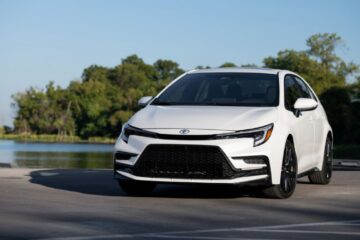
Toyota Finds Traction Where the Market Can’t
Toyota didn’t just dodge the downturn; it stepped cleanly over it.
The brand climbed 4.4 percent, pushed forward by two currents: a surge in hybrid demand and the sudden return of inventory for a few key SUVs.
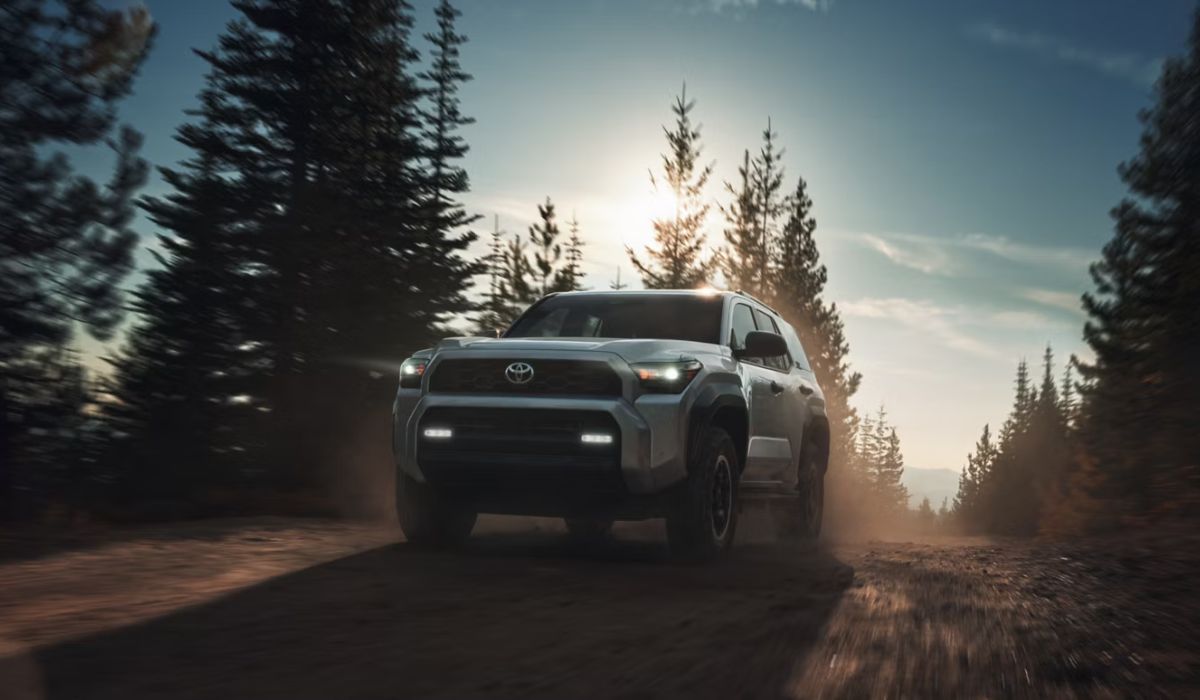
The most astonishing movement came from the 4Runner, which shot up a scarcely believable 3325 percent as supply finally stabilized. The Grand Highlander (+73.1%), Crown (+85.2%), and Highlander (+7.8%) carried the momentum, painting a clear picture of what buyers were actually walking into showrooms to purchase.
Toyota’s EVs continued to lag, but the company has something other automakers would kill for right now: a hybrid portfolio so strong that nearly 44 percent of its U.S. volume came from vehicles that require no charging cables, no tax credits, and no excuses. In a month when shoppers scrutinized every extra dollar, that mattered.
Kia Extends Its Hot Streak
Kia wasn’t supposed to be the brand writing a five-month stretch of gains in a declining market, but that’s exactly what happened.
November brought another 2.7 percent climb, thanks to a product mix that landed squarely where U.S. buyers are migrating: crossovers, budget-friendly powertrains, and hybrids.
The numbers make the story obvious:
- Niro: +222%
- Seltos: +66.4%
- Sportage: +12.4%
- Carnival: +49.5%
EV6 and EV9 took heavy hits, but the rest of the showroom picked up the slack with surprising ease. Kia is now cruising toward its third straight annual U.S. sales record, something even historically dominant brands can’t claim right now.
Ford Ends Its Winning Streak, and EVs Lead the Slide
Ford didn’t collapse—it dipped 0.7 percent—but the fine print is where the real story sits.
After eight straight months of growth, the Blue Oval felt the weight of the market shift harder than expected, mainly because its EV lineup buckled.
The F-150 Lightning fell 72 percent, the Mustang Mach-E dropped 49 percent, and Ford’s total BEV volume was cut to nearly a third of what it was last year. It was the sharpest single-month decline Ford has reported in its EV program’s short history.
Hybrids, however, told a different tale.
Demand for the F-150 Hybrid, Maverick Hybrid, and Escape Hybrid pushed the company’s hybrid sales up 14 percent, underscoring the same pattern Toyota and Kia benefited from: buyers want efficiency, but they aren’t ready for plugs and charging schedules.
Ford’s gas lineup had its own bright spots. The Mustang (+78.6%), Maverick (+43.3%), Explorer (+41.5%), and Ranger (+35.8%) all performed well enough to keep the brand essentially flat for the month.
Honda Takes the Toughest Hit
If Toyota and Kia were the exceptions, Honda was the cautionary tale.
The brand dropped 17 percent, the steepest decline among major players that report monthly numbers. Honda pointed to semiconductor shortages—specifically at supplier Nexperia—which tightened production and left dealers with thinner lots heading into a critical selling period.
That shortage showed up in the sheet metal:
- CR-V: –14.5%
- HR-V: –14.1%
- Accord: –9.1%
- Odyssey: –17.3%
- Prologue EV: –86.8%
Even the Civic, normally one of Honda’s most resilient models, slipped 5.5 percent. Acura fared slightly better but still finished in the red.
Hyundai Slows, but Its Hybrids Hit a Record
Hyundai slid 2.3 percent, but the headline wasn’t the loss—it was how sharply the company’s hybrid lineup accelerated. Hyundai reported a 42 percent jump in hybrid volume, its strongest month ever.
The Tucson, Santa Fe, and Palisade all posted double-digit gains, proving once again that crossovers + hybrids = the formula the U.S. market currently wants.
EVs, meanwhile, faltered:
- Ioniq 5: –59%
- Ioniq 6: –56.4%
But like Kia, Hyundai remains on track to set a record annual sales total in 2025.
Subaru, Mazda, and Genesis Drift in Different Directions
Subaru slipped 9.7 percent, with Crosstrek, Forester, and Outback all landing in the red.
Mazda finished 1.5 percent below last year, its fifth consecutive month of decline, though the CX-50 (+63.8%) and MX-5 Miata (+10.1%) prevented a steeper fall.
Genesis, in contrast, quietly posted its 14th straight YoY gain, carried by healthy interest in the GV70 and GV80.
The Cleanest Picture Yet of a Market Splitting in Two
November clarified something industry analysts have been circling for months:
Buyers aren’t rejecting electrification; they’re rejecting complexity and cost.
Hybrids feel familiar.
They behave like normal cars.
They deliver efficiency without infrastructure anxiety.
And at a time when the average new vehicle costs $46,029, that simplicity is a selling point.
EVs, meanwhile, have been pushed into a more niche position until pricing recalibrates and incentives reappear.
December Outlook: Slow, Uneven, and Hybrid-Driven
As the industry heads into the final stretch of 2025, momentum is uneven. Toyota and Kia look the most stable, Ford is likely to lean harder on hybrids, and Honda has work to do once inventory normalizes. Hyundai and Kia will finish the year strong; Subaru and Mazda will be watching December closely.
But the biggest lesson from November is already clear:
The center of the U.S. market has shifted—and hybrids are now sitting in it.
U.S. Auto Sales – November 2025 (Manufacturer Performance)
| Manufacturer | November 2025 Sales | YoY Change |
|---|---|---|
| Toyota | 180,990 | +4% |
| Ford | 156,097 | 0% |
| Honda | 91,582 | -17% |
| Hyundai | 74,289 | -2% |
| Kia | 72,002 | +3% |
| Subaru | 52,081 | -10% |
| Mazda | 32,909 | -2% |
| Lexus | 31,782 | -6% |
| Acura | 11,242 | -1% |
| Volvo | 9,015 | -26% |
| Lincoln | 8,134 | -12% |
| Genesis | 8,017 | 0% |
Source: Manufacturers