Keeping a vehicle clean isn’t just about appearance—it’s about preserving the condition of the paint, trim, and interior over time. For many drivers, the biggest challenge isn’t motivation, it’s knowing what to use and in what order.
A proper detailing routine doesn’t need to be complicated. When broken down into three core stages—decontamination, washing, and protection—the process becomes much easier to follow and far more effective
This guide walks through each step using a streamlined approach inspired by modern detailing practices.
Step 1: Decontamination — Removing What You Can’t See
Before washing even begins, it’s important to understand that not all dirt is loose. Many contaminants bond to the surface and won’t come off with soap alone.
These include:
- Brake dust embedded in wheels
- Road tar and grime
- Tire browning
- Environmental fallout on paint
Starting with proper decontamination reduces the risk of dragging these particles across the surface during washing.
Wheels tend to be the dirtiest part of the vehicle, so they should always be cleaned first.
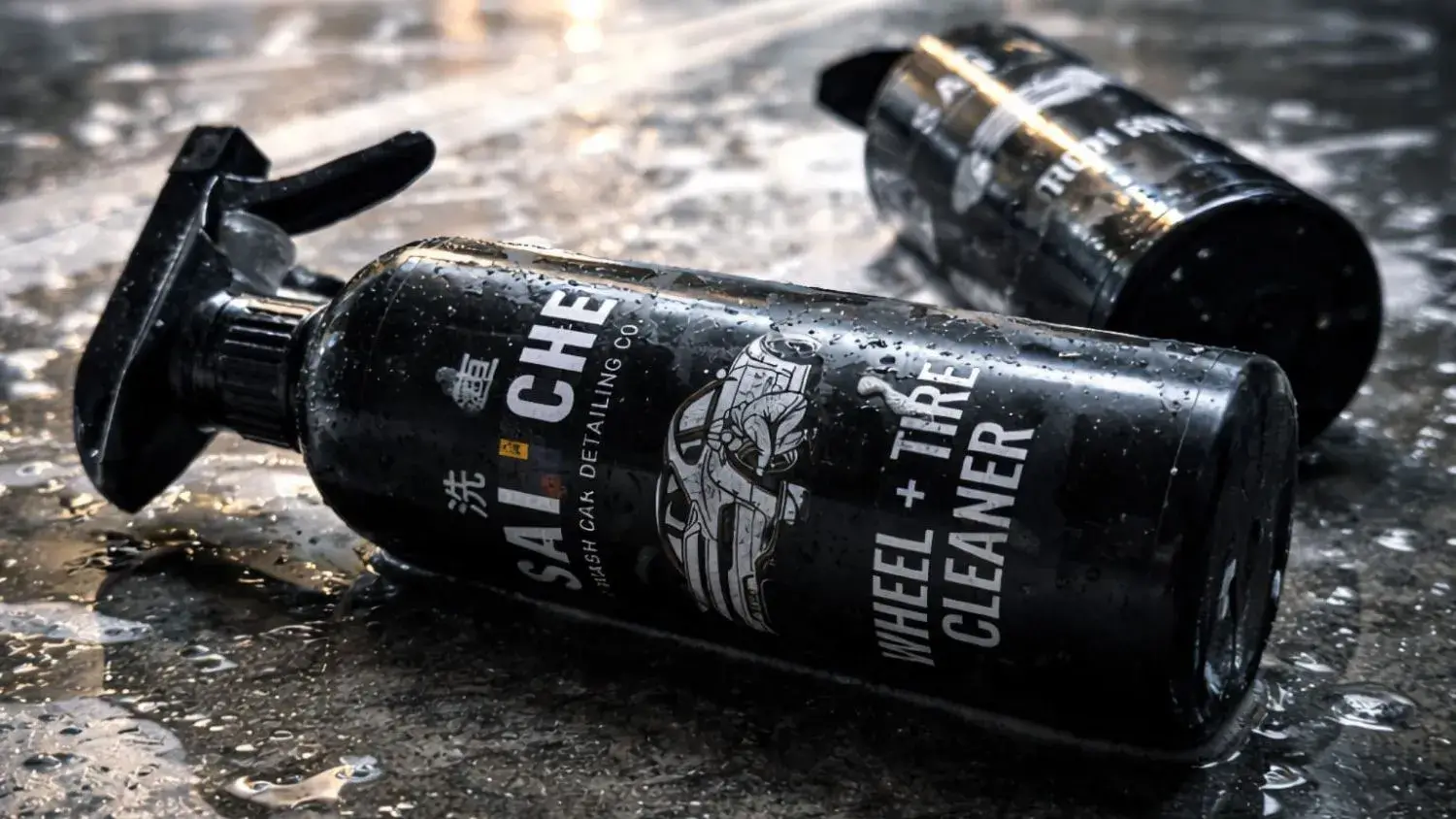
Using a dedicated wheel and tire cleaner, like the type offered by brands such as SAI | CHE Detail Co., helps break down stubborn brake dust and road buildup without damaging finishes.
Pair this with:
- A soft wheel brush for faces
- A stiffer brush for tires
- Separate tools from paintwork
Cleaning wheels first prevents splashing dirt back onto freshly washed panels later.
Step 2: Safe Washing — Preventing Swirls and Scratches
Once heavy contaminants are addressed, the focus shifts to safe contact washing. This is where many beginners unknowingly damage their paint.
The goal is simple: lift dirt away, not drag it across the surface.
A basic but effective setup includes:
- A bucket with a grit guard
- A microfiber wash mitt
- A pH-balanced car shampoo
- Dedicated drying towels
A quality shampoo provides lubrication, allowing the mitt to glide across the surface rather than creating friction.
The Washing Process
- Work from top to bottom
- Rinse frequently to remove dirt from the mitt
- Avoid circular scrubbing motions
- Keep pressure light and controlled
Many modern detailing brands, including Vancouver-based SAI | CHE, emphasize process over product overload—focusing on controlled, repeatable washing techniques rather than excessive chemical use.
Step 3: Drying — The Most Overlooked Step
Drying is where a lot of damage happens, especially when using improper towels or rushing the process.
To avoid this:
- Use high-quality microfiber drying towels
- Pat dry or gently pull water across the surface
- Avoid wiping dry dirt or missed spots
A clean, soft drying method helps maintain the clarity of the paint and reduces micro-scratching over time.
Step 4: Protection — Locking in the Results
After washing and drying, protection is what keeps the vehicle cleaner for longer and makes future maintenance easier.
For beginners, a spray-based detailer or protective coating is the most practical entry point.
- Adds gloss and depth to paint
- Helps repel water and dirt
- Reduces buildup between washes
- Makes drying faster next time
Lightweight protection products—like detail sprays or spray coatings—are ideal for routine use because they’re quick to apply and don’t require advanced experience.
Brands such as SAI | CHE Detail Co. focus on accessible protection solutions that fit into a simple workflow rather than requiring multi-step correction or coating systems.
Building a Repeatable Routine
One of the biggest advantages of simplifying detailing into these stages is consistency.
A basic maintenance routine might look like:
- Clean wheels and tires
- Wash the vehicle safely
- Dry with proper towels
- Apply a quick protective layer
Over time, this process:
- Preserves paint condition
- Reduces the need for heavy correction
- Keeps the vehicle looking consistently clean
Final Thoughts
Detailing doesn’t have to be complicated or product-heavy to be effective. A focused approach built around decontamination, safe washing, and simple protection delivers reliable results without unnecessary steps.
For beginners and experienced enthusiasts alike, the key is not how many products are used—but how well the process is followed.
As more brands shift toward streamlined systems and beginner-friendly workflows, the gap between professional results and at-home detailing continues to close.